.png)

Featured Story: Turning Big Ideas Into Market-Ready Products
Tuesday, December 23, 2025
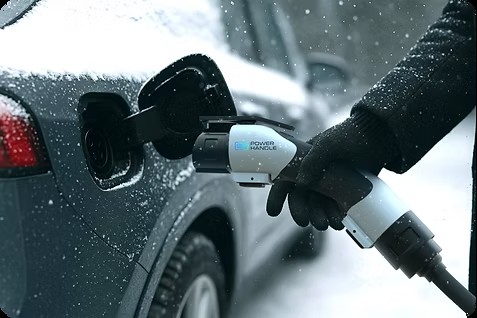
With support from Matchstick Lab Micro Business Accelerator, Darren O’Connor transformed an EV charging concept into a scalable manufacturing business.
In 2019, Darren O’Connor was in San Diego, hanging out. Taking a break from a career in the telecom industry that spanned over 25 years.
One day, he noticed his neighbor’s plug in car charger. It was… well, a mess. It looked like our rotary phones did back in the 70s and 80s, with a cord that took on a life of its own.
Kinked. Coiled. Tangled. Like a bunch of spaghetti lazily flopped onto a plate. It kinda drove him nuts.
Leaning on his two-plus decades of experience in DC and AC power, cleaning up thousands of messy wires along the way, he decided to create an EV charger that, sure, could compete with any other charger out there but also one up-them with a smooth, kink and coil-free design.
It was a great idea. But how could he bring it to market?
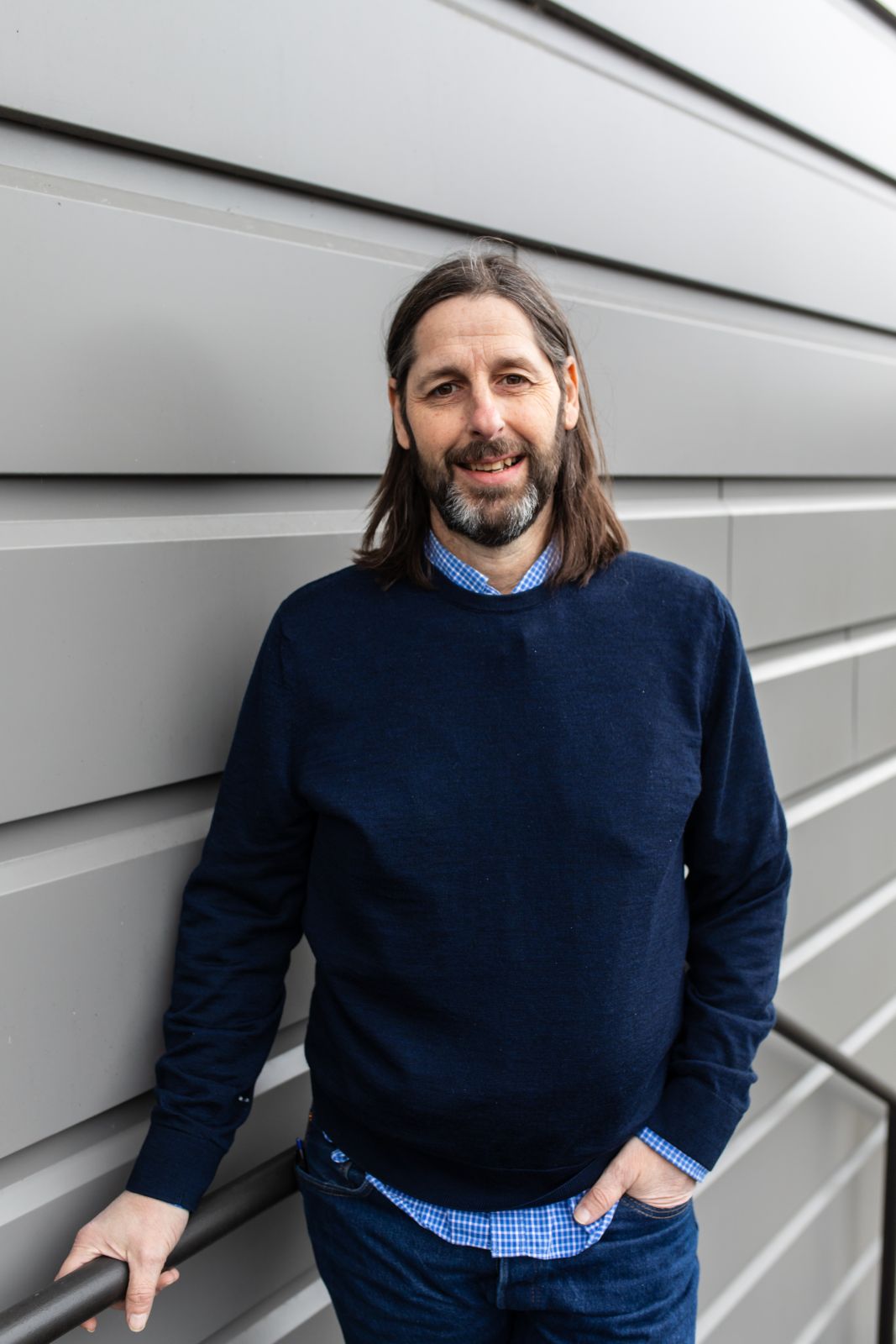
One of the Biggest Challenges Facing American Manufacturers
One of the biggest challenges O’Connor faced? Securing the funding needed to cover the high upfront costs required to bring his product to market.
“Before full-scale manufacturing even begins, we need significant capital for injection mold dies, licensing and certification, and initial batch runs. And even if the first production rounds are successful, the nature of consumer electronics means we constantly need to prepare and fund the next purchase order to stay ahead. These expenses add up quickly, and having reliable funding is what allows us to scale, maintain quality, and keep the business moving forward,” he said.
The Guidance, Structure, and Insight He Needed
O'Connor tapped into Matchstick Lab Micro Business Accelerator, which started shedding light on how he could overcome those challenges; one step at a time.
Developed in 2023 by Vibe Coworks, the program aims to enhance support for local entrepreneurs through peer-driven programming, networking opportunities, and accessible education.
It’s been a collaborative effort driven by the Kitsap Economic Development Alliance (KEDA), Kitsap Bank, Washington Technology Industry Association (WTIA), WWU Small Business Development Center, and Kitsap Community Foundation (KFC).
“Coming from the electrical service industry, I was used to a business model where invoices went out every day and payments came in just as fast. Our bank account was constantly getting replenished. Manufacturing is the complete opposite. I had no idea how to bring a product to market, especially one built for such a tiny niche, a subset of a subset,” he said. “Matchstick Lab gave me the guidance, structure, and insight I needed to put together a real business plan. I hadn’t even thought about business plans in almost 20 years of being a business owner. And on top of that, Matchstick introduced me to two of the partners I work with today through simple introductions at their events. Without that support, I’d still be trying to figure out where to even start.”
It Turned Into One of the Best Learning Experiences
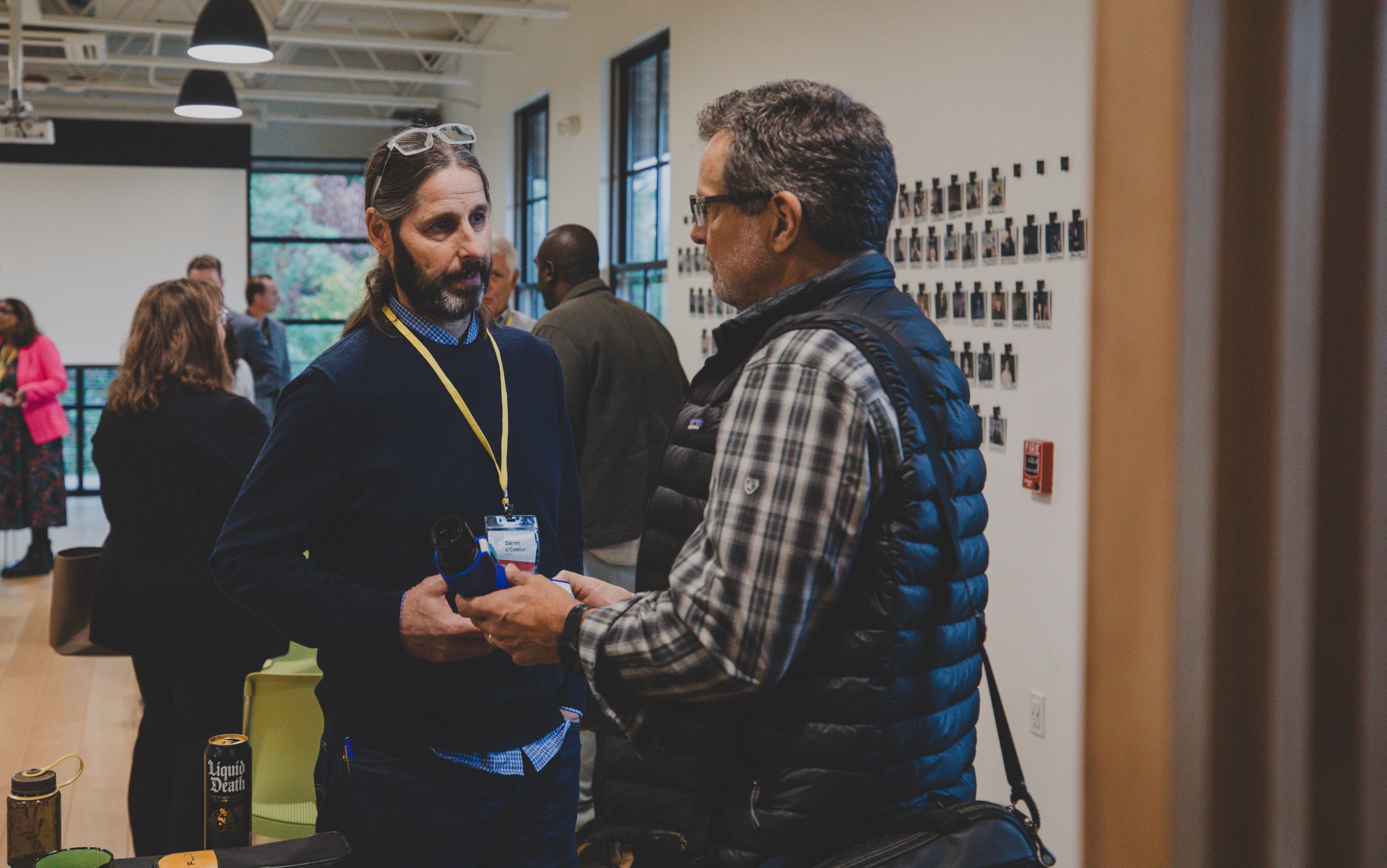
Thanks to what he learned through Matchstick, EV Power Handle is manufacturing level 2 EV chargers for the luxury and commercial markets.
“The company has developed the world’s smallest and lightest Level 1 and Level 2 electric vehicle charger, positioning itself at the forefront of compact, high-performance EV charging technology. Designed to meet the demands of both residential and commercial markets, the charger reflects a broader focus on efficiency, portability, and scalability,” said O’Connor.
And along the way, he came to appreciate the program on a much deeper level.
“What I valued most during my time in the Accelerator was being around other entrepreneurs and hearing about their problems and their successes. Just being in that environment was huge,” he said.
That’s not to say it was easy from the get go.
“At first it was tough. You feel overwhelmed, vulnerable, and maybe even a little foolish when you’re surrounded by so many great ideas floating around the room. But that feeling turned into one of the best learning experiences I’ve ever had, especially learning the importance of being willing to pivot from your original idea when needed. I’d recommend that anyone who has a business or even just an idea should fill out the application.”
An Exit Strategy That Gives Back
“Looking ahead, I plan to develop small, local energy systems that use solar power, wind power, and battery storage to provide reliable electricity. These systems are designed to serve communities that need dependable energy solutions in the United States and abroad. I have already started laying the groundwork to build and scale these energy solutions in Kitsap, Jefferson, and Clallam counties, demonstrating a long-term commitment to sustainable growth and regional investment,” said O’Connor.
But it’s the exit strategy that stands out. He wants to donate the entirety of the company to employees and investors.
“My wife, Jill, and I saw success with our electrical contracting company, providing services for leading wired and wireless telecom providers nationwide, and for years we enjoyed the comfort and privileges that came with it,” he said. “But after a motor vehicle accident left me in the hospital for nearly a year of rehabilitation, my perspective shifted; long recovery has a way of clarifying what truly matters. As our company continues to grow and build equity, we want to donate our share to the people who helped build it and to organizations that can put it to more meaningful use than we ever could.”
That philanthropic spirit runs in his veins. O’Connor also hopes to not only become a mentor for Matchstick Lab, but also to provide financial support of the program through funding and investment capital.
“Money is important for most startups whether it’s for payroll so your spouse doesn’t over-stress, or for purchasing materials. Providing both mentorship and investment is my way of giving back,” he said. “I know firsthand how overwhelming it can be to have an idea and no roadmap for making it real. I remember being stuck for months with a prototype and no idea how to bring it to market. Now, thanks to Matchstick, I have partners and a clear plan. We know what to do, and I want to help others get to that point faster.”
You Won’t Know What’s Possible Until You Try
O’Connor is well aware of some of the biggest hurdles facing someone who has an idea but not necessarily the know-how, connections, capital, or confidence to turn it into a reality.
“I’d tell any aspiring entrepreneur to take the leap, even if it feels uncomfortable you’re not alone. I remember what it was like to have an idea and feel completely out of my depth. When I started, I built a prototype but had no clue how to bring it to the EV market. What matters is starting small, testing your ideas, gathering feedback from your end users, and being willing to pivot when necessary,” he said.
Make a point of surrounding yourself with people who can guide you: partners, mentors, accelerators, or simply experienced voices who know the road, he advises.
“Along the way, you’ll meet people who don’t share your passion, and that’s normal; it doesn’t mean your idea isn’t worth pursuing. You won’t truly know what’s possible until you try, and every step, even the uncertain ones, brings you closer to making your vision real,” he added. “And I’d like to give thanks to mom, my wife, no, mo, sis/bil, Gabe, Daria, Jon and of course Alanna.”
Are you ready to get one step closer to turning that idea into a reality? Check out what's next at Matchstick Lab today!
Category: Featured Story, entrepreneurs, Matchstick Lab, Featured Content





.png)
.png)


.png)