.png)

Suquamish Tribe, Navy Agreement Marks Important Step for Major NBK Modernization Project
Tuesday, June 30, 2026

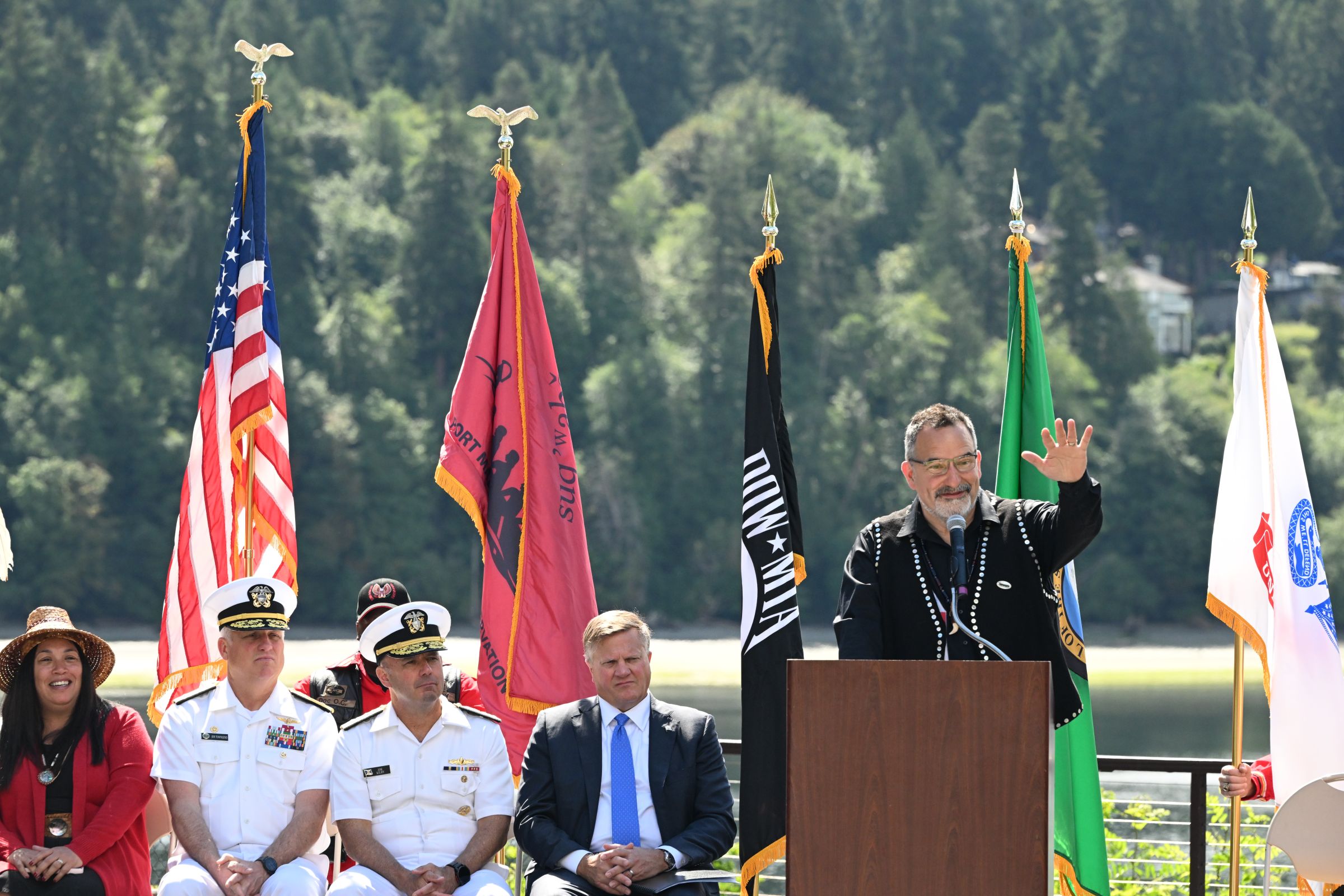
The agreement is intended to honor and protect the Suquamish Tribe’s treaty rights as the Navy advances construction planning for the massive dry dock project at Naval Base Kitsap-Bremerton. The project is part of the Navy’s broader Shipyard Infrastructure Optimization Program, a long-term modernization effort designed to strengthen the nation’s public shipyards and support future naval readiness.
For Kitsap County, this agreement is significant on several levels.
First, it reinforces the importance of government-to-government collaboration with Tribal nations as major infrastructure projects move forward in the region. The Suquamish Tribe has deep cultural, treaty, environmental, and economic ties to these waters. Ensuring Tribal rights and interests are addressed early and meaningfully is essential to responsible project development.
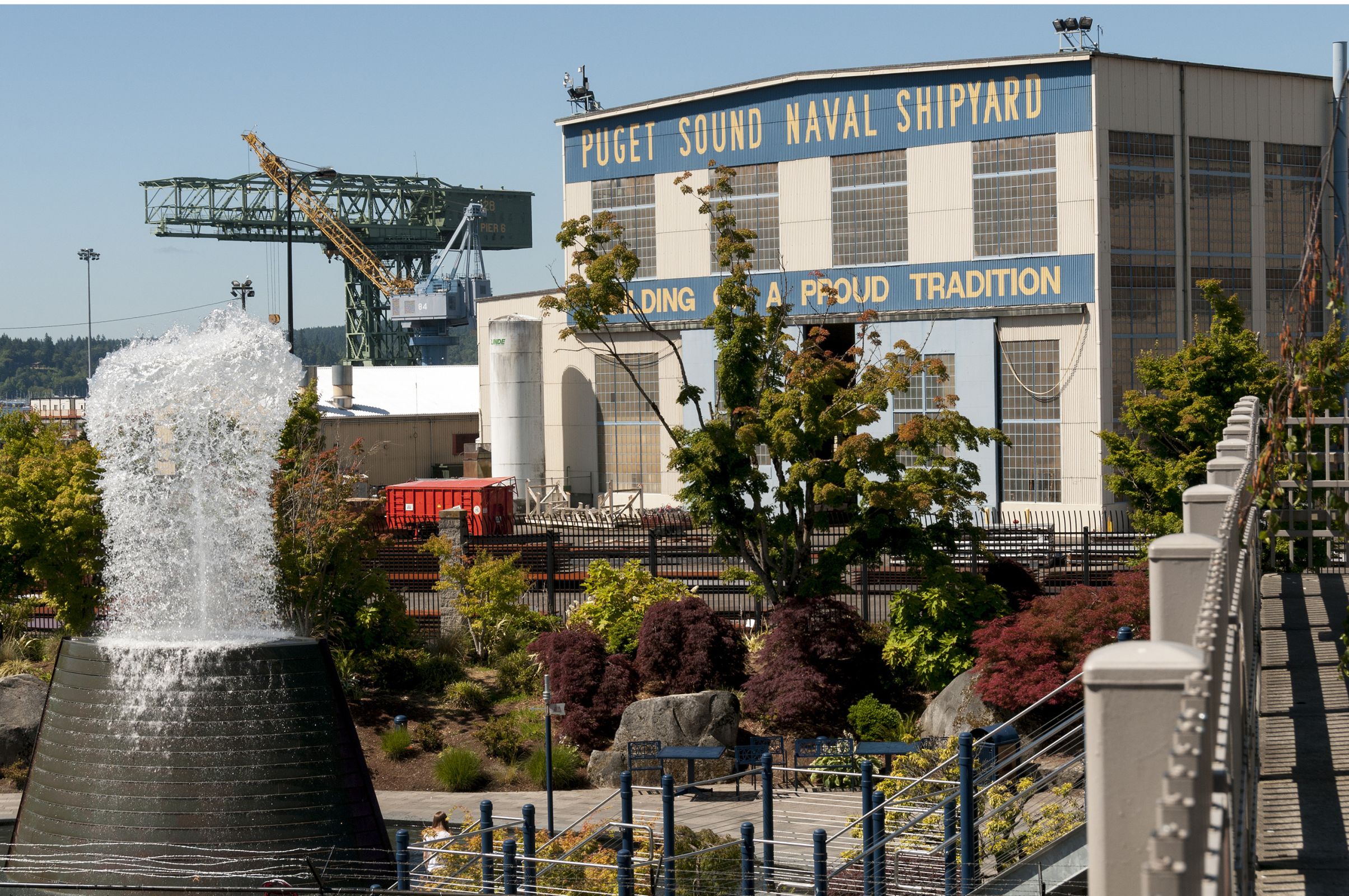
Second, the agreement helps support continued progress on one of the largest infrastructure investments ever proposed in Kitsap County. The Multi-Mission Dry Dock is expected to modernize critical waterfront infrastructure at PSNS & IMF, helping the Navy service current and future vessels for decades to come. The project is also expected to generate long-term demand for contractors, subcontractors, suppliers, engineers, environmental specialists, and skilled trades across the region.
Finally, the agreement reflects the complexity and importance of balancing national defense needs, Tribal treaty rights, environmental stewardship, and local economic opportunity. Projects of this scale require coordination, trust, and sustained engagement among public agencies, Tribal governments, businesses, and the broader community.
KEDA continues to monitor major Navy modernization efforts because of their significant impact on Kitsap’s economy, workforce, industrial lands, infrastructure, and business community. As planning and procurement opportunities advance, KEDA will continue helping local companies understand the project, prepare for contracting opportunities, and connect with resources through our APEX Accelerator and SIOP Business Hub.
The Suquamish Tribe and Navy agreement represents more than a procedural milestone. It is an important step toward ensuring that one of Kitsap’s most consequential infrastructure projects moves forward with respect for treaty rights, regional partnerships, and the long-term future of our community.
Category: SIOP, NBK, Naval Base Kitsap, Puget Sound Naval Shipyard, Suquamish, Sustainability







.png)

.png)


.png)