.png)

A Behind-the-Scenes Q&A About Kitsap’s Major Infrastructure Projects with Joe Morrison
Friday, February 06, 2026
The Long Game of Infrastructure—and Why It’s Worth the Wait
As we all know, there are numerous infrastructure projects happening in and around our area, from stormwater improvements affecting ferry routes to fixing a major transportation pain point.

We completely understand how challenging (and frustrating!) it can be to navigate around them. So, today we’re sitting down with KEDA’s Executive Director, Joe Morrison for an inspired Q&A session.
We wanted to pull the curtain back and give you more of a behind-the-scenes look at projects like these and also ask Joe for some practical advice on how to best deal with them.
If there’s a question that we missed, we’d love to hear from you!
The Challenges…
What is the single most logistical hurdle decision makers face when trying to get these major projects off the ground?
Well, the first is available budget and funding capacity—which is really challenging these days, as the State of Washington and many jurisdictions are facing budgetary pressures.
But after that, if you have the money available to build infrastructure, I'd say it's the overall time to execute. I can think of three projects where partial funding was identified two or three years ago, and we have yet to break ground. Infrastructure takes a long time to bring forward.
There is good news: While it's not fast, infrastructure is typically well-done here in Washington.
While it's not the most exciting thing to do, and it doesn't "turn on" the community the way other projects do, infrastructure is absolutely critical. That's because it lays the foundation for everything else to come, everything else that's possible to build.
You won't have attractive places for companies to grow into, or for new companies to come and locate at, unless you have competitive, relevant infrastructure in place for them to rely upon. Telling them you will build it later doesn't really cut it.
Competing Priorities, Limited Resources
When faced with competing priorities, like a critical road repair versus a long-term sustainability project, how do decision-making organizations ultimately decide where to allocate limited resources?
Typically in Washington we do a fairly good job of making both the logistical and the environmental investment. Recognizing, of course, that constraints apply, and funds aren't unlimited.
That said, I do think there are plenty of road projects that are needed in Kitsap and that really aren't making forward progress. Some have been contemplated for decades, like the State Route 104 realignment, some of them are newly-emerging, like the need for expanded road access in Silverdale.
I would also say that when it comes to economic development, making the significant, difficult and bold long-term infrastructure investment in a community ultimately pays off. I'm talking about efforts like making sure increased infrastructure is built along the Highway 3 corridor to Belfair, and of course, the Gorst--a problem must be addressed.
The Impact…
How will the successful completion of these infrastructure projects improve the lives of Kitsap residents?
Sometimes infrastructure investment is visible, but often it's invisible.
.png)
The visible is the stuff that's easy to appreciate, and often that's roads.
While the invisible stuff isn't what people typically appreciate, often it is equally or more critical for job growth. For example, we're working toward increasing sewer capacity along the Highway 3 corridor over the next few years. Talking about and prioritizing sewer is fairly unexciting, but it's a problem that has to be solved if you're trying to grow companies and employers so they can locate in that area. It's foundational.
Why Gorst Matters
Beyond commuters, how does the Gorst project, in particular, support the long-term economic growth and job creation strategy for the Kitsap Peninsula?

I was going to say that Gorst isn't even about traffic--but then I was caught in it last week, and yes, it was fairly miserable.
That said, the real issue at Gorst is about resiliency, safety and emergency preparedness. Those are factors that are particularly in the interest of our major employer, the US Navy, whose mission relies on having consistent access for its logistics. Unfortunately, to a large extent the Gorst Highway 3 road stretch represents risk.
Kitsap is a peninsula with limited road access: If a seismic event occurs, and Gorst's road access "breaks," we lose our highway. And that highway is currently a bottleneck because there are almost no other options for transiting north to south along the Kitsap Peninsula. If Gorst fails, at best you're on small roads going 40 minutes out of your way to get from Bremerton to Port Orchard, let alone from further points north. To get off the peninsula in this situation, all of Kitsap from Bremerton north would be near-completely reliant on ferries.
The Navy regularly needs to move people and goods along that highway. If they can't do that reliably, it will impede their mission. Some 14,000 people work at Puget Sound Naval Shipyard in Bremerton and another 25,000 work at other Navy installations across Kitsap. Job one in Kitsap's economic development is supporting and growing those jobs and the Defense industry.
Unfortunately, fixing Gorst is going to take a very long time, and will likely cost $500 million or more. It's an issue, it's been an issue for generations, and it absolutely needs to happen.
If You Could Change One Thing…
If you could secure funding for a single, game-changing infrastructure project that isn't currently on the list, what would it be and why?
If I could wave a magic wand, I'd have the infrastructure along Highway 3 grow: Greater road capacity, along with power is probably most important.
On a positive note, it does feel like we might have some traction with increasing sewer in the area.
Anyway, making sure that Puget Sound Industrial Center Bremerton and the Port of Bremerton have increased infrastructure capacity could be foundational to changing the game out there.
The Light at the End of the Tunnel…
Is there a surprising or unexpected success story that has emerged from the region's collective effort to tackle these infrastructure challenges?
I point toward Kitsap Transit's fast ferries to Seattle and Kitsap Public Utility District's more than 900 miles of public fiber broadband as the two crown jewels of infrastructure in Kitsap that enable economic development.
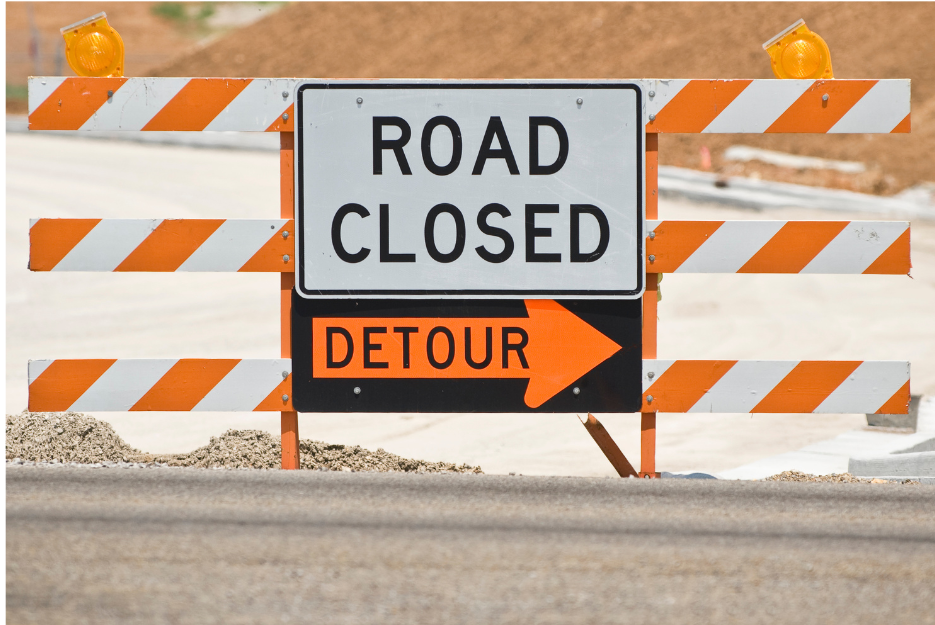
Let's imagine you’re speaking directly to a tired resident stuck in ferry-related traffic or dealing with a construction detour… What message or words of advice do you want to share with them regarding the long-term value of these frustrating disruptions?
If You Could Change One Thing…
I would ask for faith that things are going to be much better in the future than they are now, once all this work is done. Of course, I both empathize with and feel the short-term pain and frustration from construction delays when they occur. That said, one of the nice things about Kitsap is that typically such disruptions are smallish, like our population.
Joe Morrison is Executive Director of the Kitsap Economic Development Alliance (“KEDA”). E-mail him atmorrison@kitsapeda.org.
Category: Featured Content, Infrastructure, Gorst






.png)

.png)


.png)